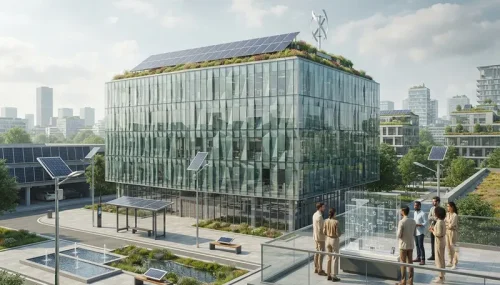
Powering the Envelope: Building Integrated Photovoltaics and Solar Green Building Products

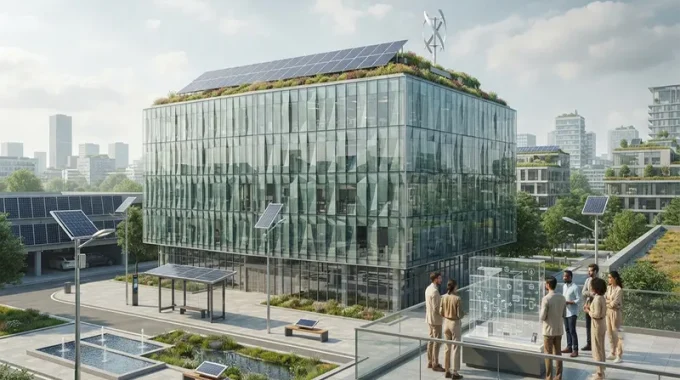
For decades, solar energy generation in commercial and residential architecture has relied on a bolted-on approach. Traditional photovoltaic panels installed on rooftops certainly help reduce grid reliance, but they often compromise architectural aesthetics, occupy limited roof space, and remain completely disconnected from the actual structural envelope of the building. In dense urban environments where high-rise developments have minimal roof area relative to their massive vertical facades, rooftop solar alone falls short of achieving true net-zero performance.

As international building codes tighten and carbon reduction mandates become law, architecture is undergoing a profound material transformation. The integration of building integrated photovoltaics and solar green building products represents a revolutionary shift, turning passive building skins into active, power-generating assets that redefine the future of sustainable real estate.

The Evolution from Add-On Solar to Envelope Integration

To understand why building-integrated photovoltaics (BIPV) are reshaping modern construction, we must examine the spatial limitations of …
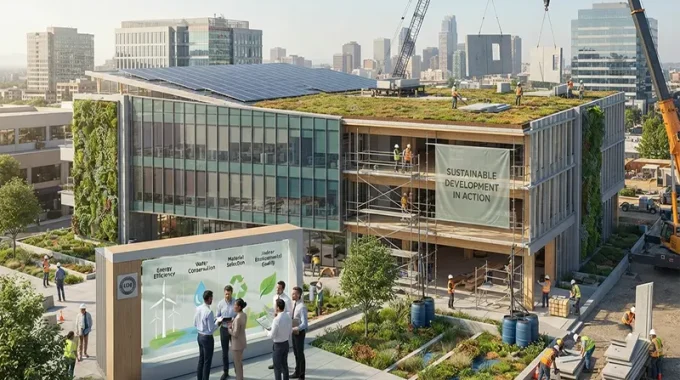
The Value of Performance: LEED-Certified Green Building Products for Commercial Real Estate Development

Commercial real estate (CRE) is facing mounting pressure from institutional investors, corporate tenants, and tightening global climate regulations. With the introduction of modern green building frameworks like LEED v5, sustainability is no longer measured by checklist compliance or isolated point accumulation. Instead, the rating system has evolved into an impact-driven framework centered squarely on decarbonization, climate resilience, and human health [00:51].

For commercial real estate developers and asset managers, specifying LEED-certified green building products for commercial real estate development is no longer just an optional differentiator. It is a core financial and operational driver required to future-proof assets, mitigate regulatory risk, and command premium valuations in an increasingly carbon-conscious market.

The Evolving Regulatory and Market Pressures in CRE

To understand why material selection dictates modern commercial success, one must examine the shifting financial landscape of real estate. Traditional commercial construction methods carry hidden long-term liabilities. Buildings constructed …

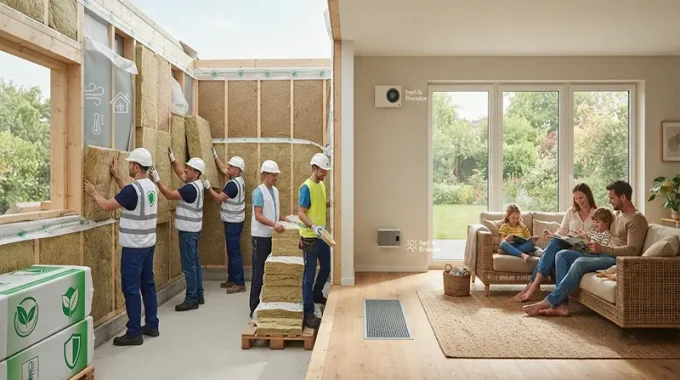
The Foundation of Health: High Efficiency Non-Toxic Insulation Green Building Products for Homes

When we envision an energy-efficient home, our minds immediately gravitate toward solar panels, double-paned windows, and smart thermostats. Yet, the true hero of home energy efficiency lies hidden entirely out of sight: your insulation. Proper insulation is the invisible thermal blanket that locks in comfort, slashes utility bills, and minimizes your household’s carbon footprint.

However, standard insulation materials—such as conventional fiberglass batts and spray polyurethane foams—often harbor hidden chemical binders, formaldehyde, and volatile organic compounds (VOCs) that constantly off-gas into your living space. As we increasingly prioritize holistic well-being and sustainable architecture, upgrading to high efficiency non-toxic insulation green building products for homes allows you to create an energy-efficient fortress while safeguarding your indoor air quality and long-term health.

The Hidden Health and Environmental Toll of Conventional Insulation

To understand why modern homeowners and builders are making the switch, it helps to examine what standard insulation is made of. Traditional …

Engineering a Greener Horizon: Low Carbon Recycled Materials in Green Building Products for Construction

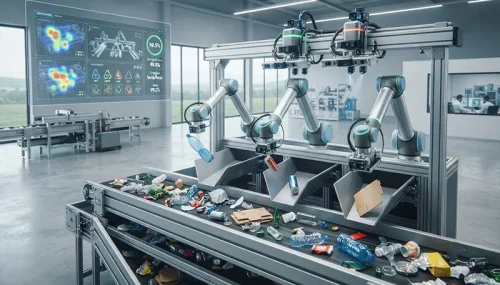
The built environment is responsible for nearly 40 percent of global carbon emissions. For decades, the architectural and construction industries focused heavily on operational carbon—optimizing HVAC efficiencies and lighting to reduce energy consumption once a building is occupied. However, as international climate targets tighten and green building standards evolve, a stark reality has emerged: operational efficiency alone is no longer enough.

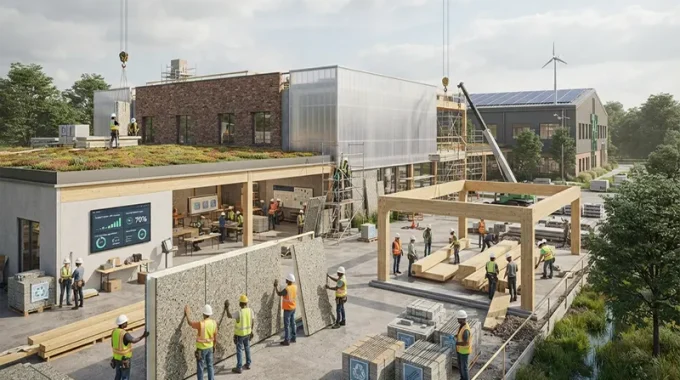
The industry must confront embodied carbon—the greenhouse gas emissions associated with material extraction, manufacturing, transportation, and construction. To achieve true net-zero targets, modern architecture is undergoing a foundational material revolution. Integrating low carbon recycled materials in green building products for construction is no longer an experimental niche; it is the definitive path forward for sustainable design, regulatory compliance, and structural resilience.

The Embodied Carbon Challenge in Modern Construction

To understand why material selection is the new frontier of sustainable architecture, we must look at the lifecycle of a building. …

Navigating the Green Building Certification Requirements and Process for LEED

In an era where sustainability and environmental consciousness are at the forefront of design and construction, achieving green building certification has become a significant goal for many developers and building owners. Leadership in Energy and Environmental Design (LEED), developed by the U.S. Green Building Council (USGBC), is one of the most recognized and widely used green building certification programs worldwide. Understanding the certification requirements and process for LEED is essential for those looking to demonstrate their commitment to sustainable building practices.

LEED Certification Levels and Categories:

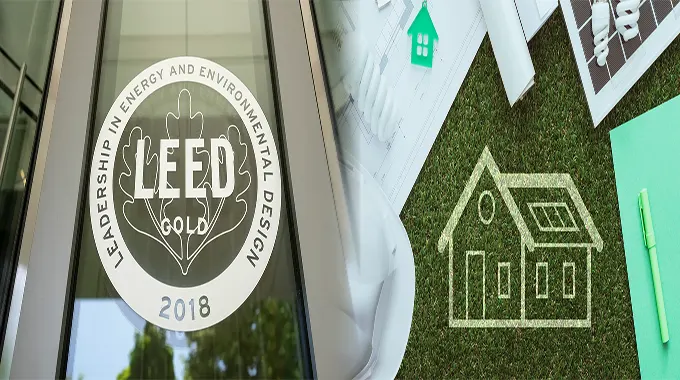
LEED offers various certification levels based on the number of points achieved through sustainable design and construction strategies. The levels include Certified, Silver, Gold, and Platinum, with Platinum being the highest level of achievement. Projects are evaluated across different categories, including Sustainable Sites, Water Efficiency, Energy and Atmosphere, Materials and Resources, Indoor Environmental Quality, and Innovation in Design.

LEED Certification Process:

  1. Registration: The first