Precision Recovery: AI Optical Sorting Robotics in Modern Waste Management Technology

Municipal solid waste streams have grown increasingly complex. Today’s trash cans are filled with an intricate mix of flexible packaging, multi-layer plastics, organic matter, and electronic debris. For decades, sorting this diverse material stream relied heavily on manual labor or rudimentary mechanical screens. As global recycling standards tighten and commodity buyers demand near-perfect material purity, legacy facilities are hitting a wall.

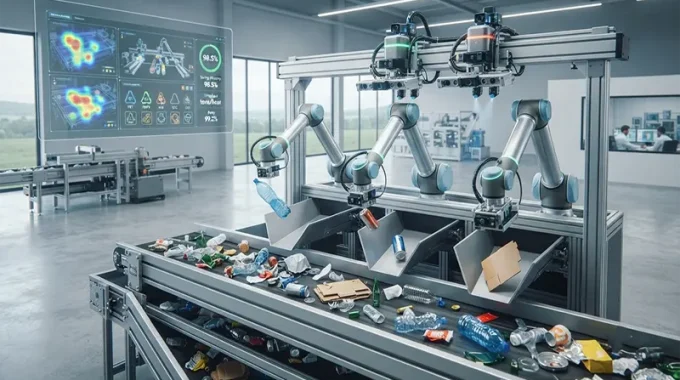
The answer to this escalating crisis lies at the intersection of computer science and heavy industrial automation. The deployment of ai optical sorting robotics in modern waste management technology is completely revolutionizing material recovery facilities (MRFs), replacing human fatigue with lightning-fast machine intelligence and transforming waste management into a high-precision science.

The Bottlenecks of Legacy Material Recovery Facilities (MRFs)

To understand why robotic sorting is a generational leap forward, one must examine the severe limitations of traditional MRFs. Historically, manual sorting lines have been the backbone of recycling operations. …
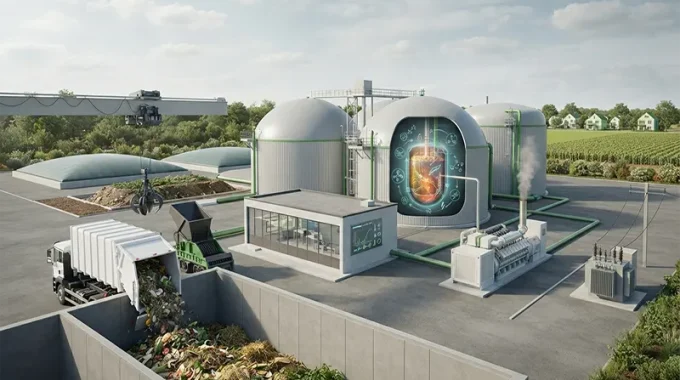
Harnessing Biochemical Power: Anaerobic Digestion Systems for Organic Waste Management Technology

Modern municipalities, agricultural enterprises, and industrial food processors generate staggering volumes of organic waste daily. From food scraps and commercial agricultural residues to municipal sewage sludge, managing wet organic matter has historically presented severe environmental and logistical hurdles. When dumped into traditional landfills, organic waste decomposes anaerobically under uncontrolled conditions, releasing massive amounts of fugitive methane—a greenhouse gas significantly more potent than carbon dioxide in the short term.

As global net-zero targets tighten and corporations race to implement circular economy frameworks, waste-to-energy technologies have taken center stage. Among these, anaerobic digestion systems for organic waste management technology stand out as the gold standard. By mimicking natural biological breakdown within highly controlled, engineered bioreactors, anaerobic digestion transforms environmental liabilities into valuable renewable energy and high-grade agricultural biofertilizers.

The Environmental Toll of Conventional Organic Waste Disposal

To appreciate the engineering brilliance of anaerobic digestion (AD), one must first examine the systemic failures …

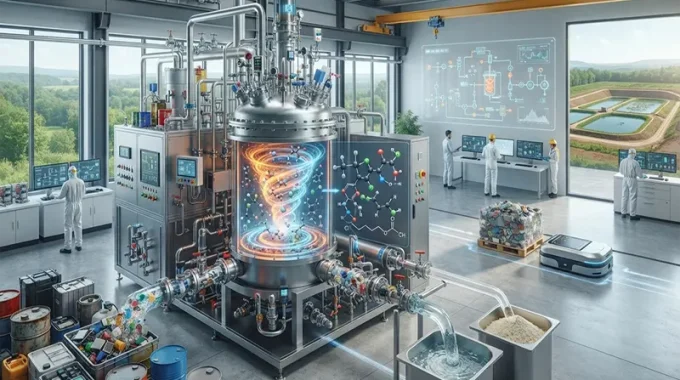
Molecular Transformation: Advanced Chemical Recycling Processes in Hazardous Waste Management Technology

Modern industrial operations generate complex streams of toxic, persistent, and contaminated byproducts that traditional waste management techniques struggle to handle safely. For decades, industries have relied on conventional disposal methods—such as high-temperature incineration or secure hazardous landfilling—to manage these dangerous materials. However, as environmental regulations tighten and the global push toward a circular economy accelerates, these legacy practices are increasingly recognized as unsustainable liabilities.

Enter the next frontier of industrial environmental engineering: advanced chemical recycling processes in hazardous waste management technology. By breaking complex molecular bonds down to their foundational building blocks, these innovative chemical technologies transform hazardous liabilities into safe, recoverable resources, redefining how industries handle toxic waste.

The Limitations of Legacy Hazardous Waste Treatment

To understand the urgent need for advanced chemical recycling, one must examine the fundamental flaws of legacy hazardous waste treatment. Traditional incineration, while effective at reducing waste volume, often generates secondary air pollutants, …

Revolutionizing Urban Cleanliness: IoT Smart Bin Sensors for Municipal Waste Management Technology

Modern cities face an unprecedented convergence of challenges: rapid global urbanization, tightening municipal operational budgets, and the ever-growing volume of public waste. Traditional waste collection methods—reliant on manual oversight and fixed schedules—are increasingly buckling under these pressures, often resulting in overflowing public receptacles, unsightly street litter, and bloated municipal expenditures.

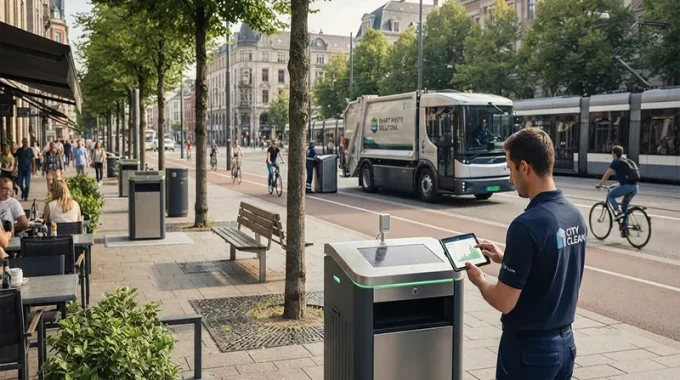
As civic leaders race to build truly connected “smart cities,” a quiet technological revolution is transforming urban infrastructure from the ground up. At the forefront of this shift is the deployment of IoT smart bin sensors for municipal waste management technology. By turning ordinary waste containers into intelligent data nodes, these sensors empower city planners to replace guesswork with real-time intelligence, drastically cutting operational costs while elevating urban hygiene.

The Urban Waste Crisis: Why Traditional Collection Fails

For decades, municipal waste management has operated on a static, rigid framework. Sanitation trucks follow predetermined, fixed routes on set days of …

Improving Waste Management Policies and Regulations for Local Governments

Waste management has become a pressing issue for local governments around the world as urban populations continue to grow rapidly, leading to an increase in waste generation. In order to address this challenge effectively, it is crucial for local governments to implement robust waste management policies and regulations. These measures are essential not only for reducing environmental impact but also for promoting sustainable development and enhancing public health and safety.

One key aspect of waste management policies for local governments is the establishment of comprehensive waste disposal and recycling programs. By providing residents with convenient options for separating and recycling different types of waste, municipalities can significantly reduce the amount of waste sent to landfills. Encouraging the use of recycling facilities and composting programs can help to divert organic waste from landfills, thereby minimizing greenhouse gas emissions and promoting a circular economy.

Moreover, local governments can implement regulations to promote …