Reviews of Sustainable Wastewater Treatment Technology for Breweries

The craft brewing boom has brought intense scrutiny to the industry’s massive water footprint. For every gallon of beer, breweries generate between three to ten gallons of high-strength wastewater loaded with sugars, yeast, and cleaning chemicals. Discharging this untreated can lead to hefty municipal surcharges and environmental strain.

Sustainability in this sector is now driven by technologies that don’t just clean water but also recover resources and energy. The most reviewed and favored solutions for breweries typically involve anaerobic processes, advanced biological reactors, and resource recovery systems.

Anaerobic Digestion (AD): The Energy MVP

Anaerobic digestion is consistently highlighted as the most cost-effective and sustainable pretreatment method for high-strength brewery effluent. It involves using microorganisms to break down organic matter in the absence of oxygen.

  • Review Highlights: The primary benefit cited by operators is biogas production (mostly methane). This biogas is a renewable energy source that can be used to

Timber Titans: Reviews of Bamboo and Reclaimed Wood Dining Room Tables

Choosing a dining room table is a significant investment, both financially and in terms of your home’s aesthetic. For the eco-conscious buyer, the choice often narrows down to two sustainable powerhouses: bamboo and reclaimed wood dining room tables. Both offer unique character and environmental benefits, but real-world reviews highlight distinct differences in durability, maintenance, and style.

Reclaimed Wood: Character, Durability, and Longevity

Reclaimed wood tables—often sourced from old barns, factories, or shipping pallets—are celebrated for their rustic charm and rich history.

The Positives (Reviews):

  • Unmatched Character: Reviewers consistently praise the unique imperfections—nail holes, knots, and weathered textures—that give each table a one-of-a-kind, heirloom quality. Customers often mention the “warmth and depth” the wood adds to a dining space.
  • High Durability: Because the wood (often dense pine, oak, or teak) has already weathered decades of use, it is often dense and highly stable. Many reviews note that these tables

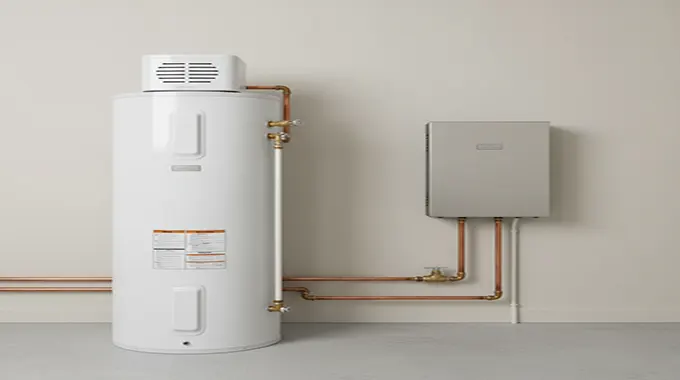
The Gold Standard: Best Geothermal Heat Pump Efficiency Ratings for Cold Climates

Geothermal heat pumps (GHPs), also known as ground-source heat pumps (GSHPs), are universally recognized as the most efficient heating and cooling technology available, especially in cold climates. Unlike air-source heat pumps, which struggle to extract heat from frigid outdoor air, GHPs rely on the stable, consistent temperature of the earth below the frost line—typically between $50^\circ\text{F}$and$60^\circ\text{F}$($10^\circ\text{C}$and$15^\circ\text{C}$) year-round. This stability allows them to maintain peak performance even when outdoor temperatures plummet to sub-zero levels.

Understanding a geothermal system’s true efficiency requires focusing on two key metrics: Coefficient of Performance (COP) for heating and Energy Efficiency Ratio (EER) for cooling.

COP: The Crucial Metric for Cold Climates

The Coefficient of Performance (COP) is the most critical rating for assessing a GHP’s performance in a heating-dominated, cold climate. COP is a ratio of the thermal energy (heat) the system produces to the electrical energy it consumes.

  • A standard electric resistance furnace has

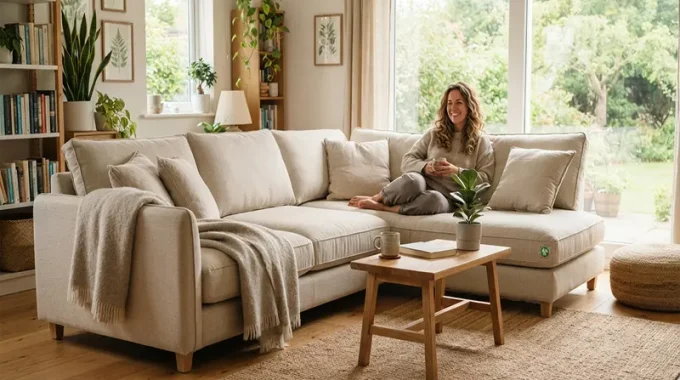
How to Choose Formaldehyde-Free Organic Cotton Sofa Upholstery

When selecting a new sofa, the focus often lies on comfort and style. However, for a truly healthy home environment, the materials—especially the upholstery—are paramount. Standard synthetic fabrics and even some treated natural ones can expose your household to Volatile Organic Compounds (VOCs), including formaldehyde. This chemical is commonly used in fabric treatments, dyes, and the adhesives for foam cushioning, and can contribute to indoor air pollution and health concerns.

Opting for formaldehyde-free organic cotton sofa upholstery is the best way to ensure your centerpiece furniture is as safe as it is stylish. Here is a guide on how to make this crucial, healthy choice.

1. Prioritize Organic Cotton Certification

The foundation of a non-toxic sofa is the fabric itself. While conventional cotton farming uses heavy pesticides, organic cotton is grown without toxic and persistent chemicals. However, the term “organic” alone isn’t enough; you must verify that the entire

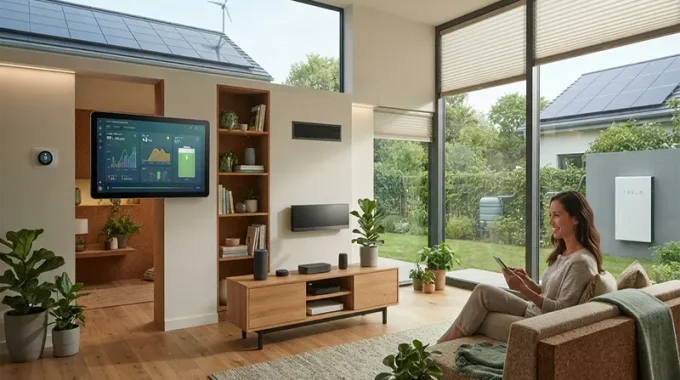
A DIY Guide to Installing a Smart Home Energy Monitoring System

Understanding your home’s electricity consumption is the first critical step toward lowering your utility bills and reducing your carbon footprint. A smart home energy monitoring system provides this real-time visibility, allowing you to pinpoint energy vampires and shift usage patterns.While installation involves working inside your main electrical panel—a task that requires utmost caution—many popular systems are designed for the savvy DIY homeowner.

⚠️ Safety First: A Crucial Warning

Before beginning any installation, you must turn off the main breaker at your electrical panel. This de-energizes the majority of the circuits in your home. Crucially, the main service wires (the thick black cables entering the panel) remain live even when the main breaker is off. Because of the inherent risk of severe electrical shock, if you are not comfortable or experienced working near live service mains, you should hire a licensed electrician to complete the installation.

Step 1: Choosing Your Monitoring