
For years, the term “vegan leather” was a euphemism for plastic—specifically Polyurethane (PU) or Polyvinyl Chloride (PVC). While cruelty-free, these materials are derived from petrochemicals, are not biodegradable, and contribute to landfill waste, creating a significant ethical dilemma for the environmentally conscious consumer.
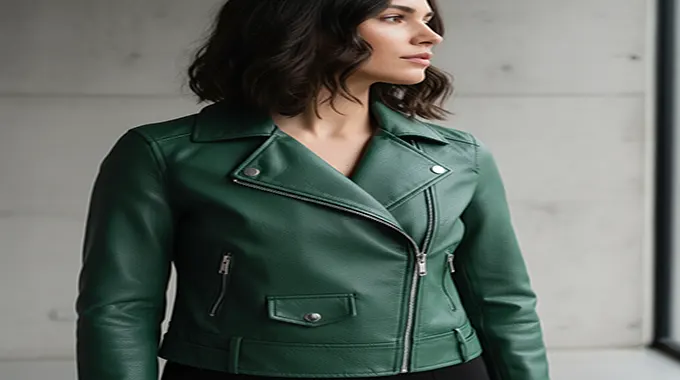
Fortunately, a new generation of plastic-free vegan leather jacket alternatives for women is emerging from the lab, offering the supple texture and durability of leather with a drastically reduced environmental footprint. These innovative materials—often bio-based and sourced from agricultural waste—are redefining what sustainable fashion can be.
The New Plant-Powered Frontrunners
The best plastic-free or minimal-plastic alternatives replace up to 80% of the petroleum-based ingredients with renewable, bio-based materials. Here are the materials revolutionizing the vegan jacket market:
1. Mushroom Leather (Mylo, Reishi)
- The Science: This cutting-edge material is grown from mycelium, the root-like structure of fungi, which is cultivated in trays using agricultural waste. It can be grown in days, requires minimal water, and is carbon-neutral in its production.
- The Review: Brands like Stella McCartney have pioneered its use. Reviews praise its incredibly soft, supple hand-feel that closely mimics animal calfskin. While some early versions required a backing layer, the goal is a fully biodegradable, non-petroleum-based end product.
2. Fruit and Plant Waste Leather (Piñatex, Apple Skin, Vegea)
- The Science: These materials repurpose waste from existing industries, reducing both pollution and the need for new resources:
- Piñatex: Made from cellulose fibers extracted from discarded pineapple leaves, a byproduct of the pineapple harvest.
- Apple Skin: Utilizes the pomace (pulp and core) leftover from the juicing industry.
- Vegea: Derived from the grape marc (skins, seeds, and stalks) waste from winemaking.
- The Review: These plant-based fabrics are known for being lightweight, durable, and highly innovative. While many of these still rely on a small percentage of binding or coating materials (often water-based PU) for longevity and waterproof finishes, they drastically cut down on virgin plastic content.
3. Cactus Leather (Desserto)
- The Science: Developed in Mexico, this material is made from the leaves of the Nopal cactus. The leaves are harvested without harming the plant, and the process is extremely low-water, requiring no irrigation.
- The Review: Cactus leather is frequently reviewed as being tough, breathable, and highly durable. Its naturally strong and flexible structure makes it a fantastic, long-lasting alternative for structured jackets. Brands like Deadwood have featured this material in their collections.
🧥 Where to Find Ethical, Plastic-Conscious Jackets
When searching for the perfect ethical jacket, look for brands that prioritize transparency and utilize these new-generation materials:
- Stella McCartney: A pioneer who heavily invests in mushroom leather (Mylo) alternatives.
- Will’s Vegan Store: Known for using bio-oil derived from organic crops in some of their materials, and for offering carbon-neutral products.
- Angels Ambition: Has utilized Piñatex for stylish, pebbled biker jackets.
- Immaculate Vegan: A marketplace that curates and vets brands based on their sustainability and vegan criteria.
The era of “pleather” is fading. By choosing jackets made from mushroom, pineapple, or cactus bases, women can now own a statement piece that is ethical, stylish, and truly moves the needle toward a plastic-free fashion future.