
If you own a sixty-year-old house, chances are its attic insulation is either insufficient, settled, or non-existent by modern standards. Since the attic is the single greatest point of heat loss and gain in a home, upgrading the insulation is one of the most effective and financially rewarding home improvements you can undertake.
The typical attic in an older home may have a minimal R-value (resistance to heat flow). Current building codes, depending on your climate zone, recommend levels ranging from R-38 to R-60. Bringing your vintage home up to this standard offers immediate benefits that outweigh the initial cost and complexity.
The Cost: An Investment with a High ROI
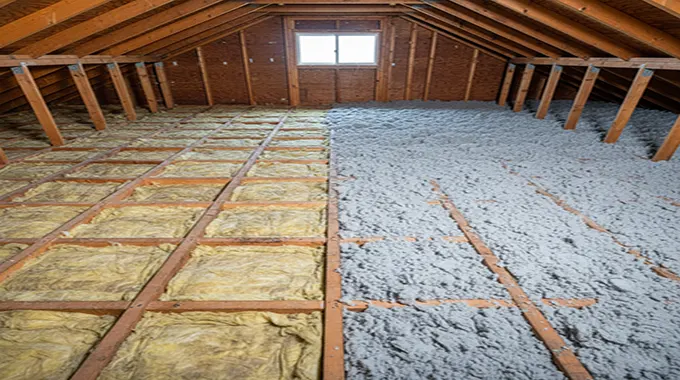
The total cost of adding attic insulation depends on the size of your attic, the material chosen, and the existing level of insulation. The most common and cost-effective method for older, existing attics is blown-in insulation (cellulose or fiberglass).
- Average Cost Range: Homeowners typically pay between $1.00 and $2.80 per square foot for professional installation of blown-in insulation.
- Total Project Estimate: For a 1,500 square foot attic, the average installed cost generally falls between $1,500 and $4,200.
- Material Types:
- Blown-in Fiberglass: $0.50–$1.50 per square foot (material). Cost-effective and lightweight.
- Blown-in Cellulose: $0.60–$2.30 per square foot (material). Often made from recycled paper and offers slightly better air-sealing properties.
- Upfront Requirement: Before insulating, air sealing is critical, especially in older homes. Sealing gaps around vent pipes, wiring, and chimney chases prevents air leakage and mold, adding to the total project cost but maximizing insulation effectiveness.
The Benefits: Immediate Comfort and Lasting Value
The returns on this investment are multifaceted and often surpass 100% of the initial cost.
1. Massive Energy Savings
Adding insulation to meet modern R-value targets (like R-38 or higher) drastically reduces the amount of heat escaping in winter and entering in summer. The U.S. Department of Energy states that adequate insulation and air sealing can cut your heating and cooling costs by up to 15%. This translates to hundreds of dollars in annual savings, allowing the project to pay for itself typically within 3-5 years.
2. Enhanced Home Comfort
Older homes are notorious for hot second floors in summer and cold drafts in winter. Proper attic insulation creates a stable thermal barrier, resulting in more consistent indoor temperatures throughout your entire house, eliminating those uncomfortable temperature swings and cold spots.
3. Extended HVAC Lifespan
By reducing the workload on your heating and cooling systems, new insulation decreases wear and tear. Your furnace and air conditioner won’t have to run as frequently or as long, extending their operational life and reducing maintenance and replacement costs.
4. Increased Home Value
Attic insulation is one of the few home improvements that often yields an ROI exceeding 100% upon resale. Energy-efficient homes are highly attractive to modern buyers, and studies show that this upgrade can significantly increase your property’s resale value.
Adding attic insulation to your sixty-year-old house is a crucial step in modernizing its energy performance, guaranteeing years of comfort, lower bills, and a robust return on your investment.