
Embracing the charm of imperfections and giving new life to forgotten objects, DIY projects using salvaged materials for rustic eco furniture is more than just a trend—it’s a sustainable philosophy. Beyond reducing landfill waste and minimizing your carbon footprint, upcycling creates unique, character-filled pieces that tell a story, often at a fraction of the cost of new furniture.
The beauty of rustic eco furniture lies in its raw, unpolished aesthetic and the versatility of salvaged finds. Here are some inspiring projects that demonstrate how to transform discarded items into functional and beautiful pieces for your home.
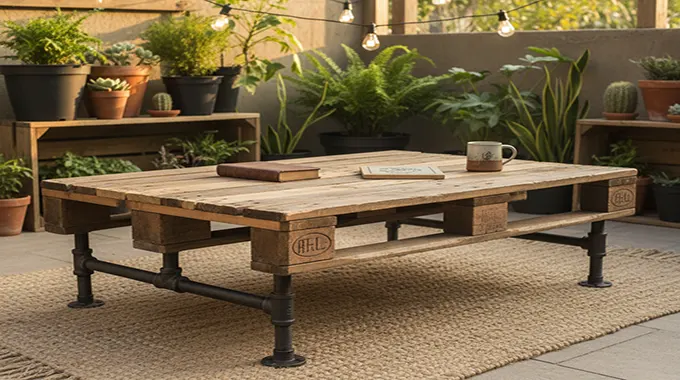
1. Pallet Coffee Tables & Benches: The Urban Homestead Staple
Wooden shipping pallets are perhaps the most accessible and versatile salvaged material for rustic furniture.
- The Project: A pallet coffee table is a classic starting point. Simply stack two pallets, sand them thoroughly (especially if they’re destined for indoor use), and attach some industrial-style castor wheels or sturdy wooden legs. For a rustic eco bench, one pallet can serve as the seat, with a second pallet or reclaimed lumber creating the backrest and legs.
- Why It’s Eco: Diverts massive amounts of wood from landfills and avoids the energy and resources needed for new lumber production.
- Rustic Touch: The natural wear, stamps, and varied wood tones of the pallets provide an instant rustic feel. A simple clear coat of low-VOC sealant will protect the wood while preserving its original character.
2. Reclaimed Wood Shelving: Floating Forests
Old fence posts, barn planks, scaffolding boards, or even discarded floorboards can be transformed into stunning shelves that add warmth and practical storage.
- The Project: Simply cut reclaimed wood to your desired length, sand away splinters, and apply a natural wax or oil finish. Mount them using industrial-style pipe brackets or hidden floating shelf hardware for a sleek yet rustic look.
- Why It’s Eco: Gives beautiful, aged wood a second life, preserving its embedded carbon.
- Rustic Touch: The natural grain, saw marks, and original patina of the reclaimed wood are the stars here, creating an authentic, time-worn appeal.
3. Industrial Spool Tables: Circular Chic
Large wooden cable spools, often discarded by utility companies, make fantastic, robust tables.
- The Project: A little elbow grease is all it takes. Clean and sand the spool thoroughly. You can leave it its natural wood color for a rugged look or paint it a bold color. The top and base provide ample surface area for dining, games, or even as a unique coffee table.
- Why It’s Eco: Repurposes very large, otherwise difficult-to-dispose-of industrial waste.
- Rustic Touch: The sheer size and bold circular shape, combined with the often-rough-hewn wood, create an industrial-rustic statement piece.
4. Old Door Headboards & Tabletops: A Grand Entrance (or Exit)
Vintage wooden doors, often found at architectural salvage yards, offer a wealth of material.
- The Project: An old door can become a stunning headboard. Clean, sand, and perhaps lightly paint or distress it for a shabby-chic rustic feel. For a dining tabletop, two identical doors can be joined and mounted on a sturdy base, preserving their original paneling and hardware details.
- Why It’s Eco: Rescues sturdy wood and intricate designs that would otherwise be lost.
- Rustic Touch: The existing patina, unique paneling, and sometimes even original hardware (like doorknobs or hinges) instantly infuse a sense of history and rustic elegance into your furniture.
Tips for Salvaging Success:
- Safety First: Always wear gloves and eye protection. Be wary of sharp edges, nails, and potential lead paint (test old wood if unsure).
- Clean Thoroughly: Before use, clean salvaged wood of dirt, mold, and pests.
- Finish Wisely: Use low-VOC or natural finishes (beeswax, linseed oil) to maintain the “eco” aspect.
By embracing the imperfections and history of salvaged materials, you can create rustic eco furniture that is not only beautiful and functional but also a testament to mindful living.