
When we envision an energy-efficient home, our minds immediately gravitate toward solar panels, double-paned windows, and smart thermostats. Yet, the true hero of home energy efficiency lies hidden entirely out of sight: your insulation. Proper insulation is the invisible thermal blanket that locks in comfort, slashes utility bills, and minimizes your household’s carbon footprint.
However, standard insulation materials—such as conventional fiberglass batts and spray polyurethane foams—often harbor hidden chemical binders, formaldehyde, and volatile organic compounds (VOCs) that constantly off-gas into your living space. As we increasingly prioritize holistic well-being and sustainable architecture, upgrading to high efficiency non-toxic insulation green building products for homes allows you to create an energy-efficient fortress while safeguarding your indoor air quality and long-term health.
The Hidden Health and Environmental Toll of Conventional Insulation
To understand why modern homeowners and builders are making the switch, it helps to examine what standard insulation is made of. Traditional fiberglass installation frequently relies on formaldehyde-based binders to hold glass fibers together. When exposed to heat and moisture inside wall cavities, these binders can degrade and release airborne irritants.
Even more problematic is spray polyurethane foam (SPF). While SPF offers exceptional air-sealing properties, it is synthesized from petrochemicals and isocyanates. During and long after application, spray foam can off-gas toxic chemicals that trigger severe respiratory distress, headaches, and chronic allergies if not installed with extreme precision and extended curing times. Furthermore, conventional insulation materials carry massive embodied carbon footprints during their manufacturing processes, undercutting the environmental goals of many modern homeowners.
Core Types of High-Efficiency, Non-Toxic Insulation Products
Fortunately, advancements in green building technology have introduced a new generation of high-performance, eco-friendly insulation options that match or exceed the thermal ratings of conventional materials without the toxic baggage:
1. Mineral Wool (Stone Wool)
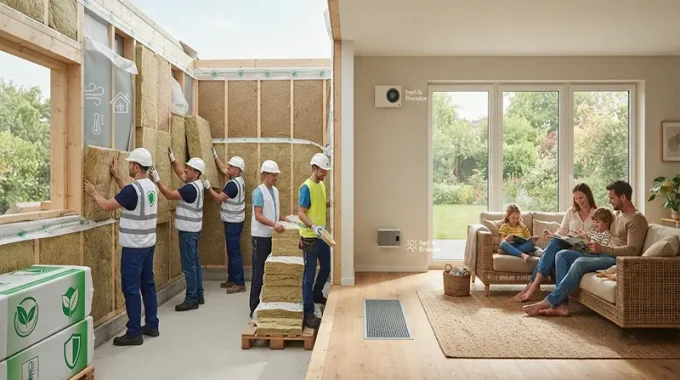
Manufactured from abundant natural basalt rock and recycled industrial slag, mineral wool is a powerhouse insulation material. It offers exceptional R-values per inch, outstanding acoustic dampening, and absolute fire resistance (withstanding temperatures over 2,000°F without melting). Because it is bound with safe, inert resins, mineral wool emits zero toxic fumes, does not support mold growth, and provides long-lasting thermal stability.
2. Recycled Cellulose and Denim Insulation
Cellulose insulation is made from up to 85% recycled post-consumer paper (primarily newsprint), treated with non-toxic, natural borates that provide natural fire-retardant and pest-repellent properties. Similarly, denim insulation is crafted from recycled post-consumer cotton blue jeans. It is completely safe to handle without protective gear, contains no itchy glass fibers or formaldehyde, and delivers superior sound absorption for interior walls and attics.
3. Bio-Based Insulations (Cork, Hemp, and Wood Fiber)
Representing the cutting edge of regenerative architecture, bio-based insulation panels utilize natural materials like expanded cork, hemp shiv, and compressed wood fibers. These innovative products offer a net-negative carbon footprint—meaning the plants sequestered more carbon during their growth than was emitted during manufacturing. They also feature high vapor permeability, allowing walls to “breathe” naturally and preventing hidden moisture accumulation.
Key Benefits Beyond Energy Bills
Investing in high-efficiency, non-toxic insulation delivers profound advantages that elevate your everyday living experience well beyond lower heating and cooling costs:
- Pristine Indoor Air Quality and Moisture Control: By eliminating chemical off-gassing and utilizing vapor-permeable, breathable materials, non-toxic insulation prevents trapped condensation and mold growth, creating a safe haven for children, pets, and allergy sufferers.
- Superior Acoustic Performance: Dense natural fibers like mineral wool and denim absorb sound waves far more effectively than lightweight fiberglass, creating a peaceful, quiet sanctuary shielded from external street noise.
- Climate Resilience and Thermal Comfort: High-performance thermal mass stabilizes indoor temperatures year-round, keeping your home cozy during bitter winters and refreshing during summer heatwaves while shrinking your overall energy demand.
What to Look for When Shopping and Specifying (Buying Guide)
When selecting insulation for your home renovation or new construction project, keep these core criteria in mind:
- Demand Rigorous Certifications: Look for trusted environmental and health labels, such as GREENGUARD Gold, Declare Red List Free, Cradle to Cradle Certified, or the Forest Stewardship Council (FSC) for wood-based products.
- Evaluate Thermal Performance (R-Value): Ensure the material meets your regional building code requirements for thermal resistance per inch of thickness.
- Assess Vapor Permeability: Discuss with your contractor whether your climate zone requires an air-tight vapor barrier or a breathable insulation system that manages moisture naturally.
Your home should be your safest sanctuary—a space that nurtures your health rather than compromising it. By choosing high-efficiency, non-toxic insulation green building products, you bridge the gap between peak energy performance and uncompromising indoor wellness. Investing in clean, sustainable insulation is a foundational step toward building a durable, beautiful, and truly healthy home for generations to come.