
The Ultimate Guide to Choosing an Eco-Friendly Sofa Made from Recycled Fabrics and Sustainable Wood

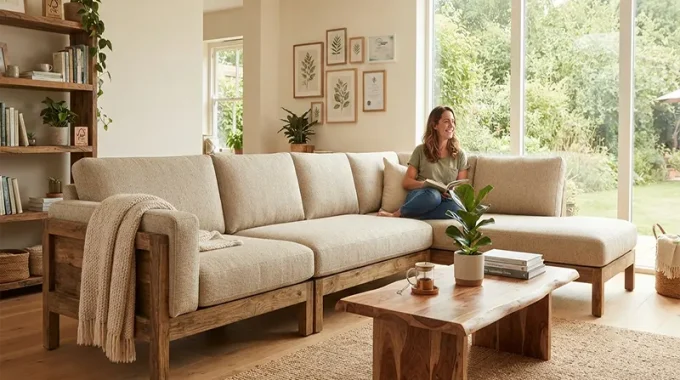
When we think about sustainable living, our minds often jump to energy-efficient appliances, reusable packaging, or solar panels. Yet, one of the largest and most impactful items in our homes—the living room sofa—is frequently overlooked. The fast-furniture industry relies heavily on resource-intensive manufacturing, clear-cut virgin timber, and petroleum-based synthetic textiles that contribute to massive landfill waste.
Fortunately, a design revolution is underway. Modern eco-conscious craftsmanship has proven that you do not have to sacrifice luxury, comfort, or style to protect the planet. Investing in an eco-friendly sofa made from recycled fabrics and sustainable wood transforms your living space into a statement of environmental stewardship, merging circular economy principles with timeless interior aesthetics.
The Hidden Footprint of Conventional Furniture
To truly appreciate the value of sustainable furniture, it helps to understand the environmental toll of conventional manufacturing. Traditional couches are often built using cheap particleboard derived from clear-cut old-growth forests, paired …