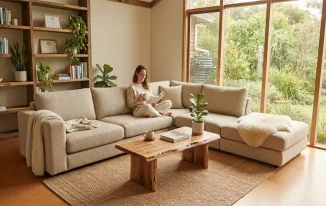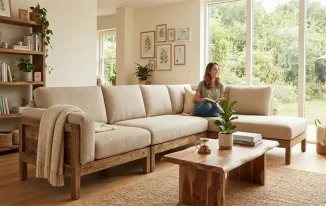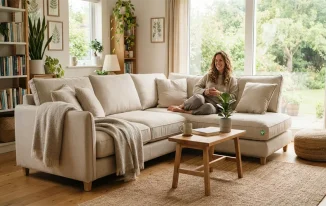

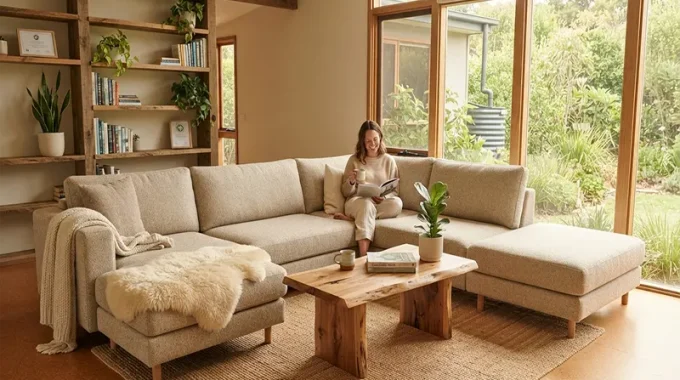
Think about where you spend your most relaxed moments at home. Whether you are curling up with a cup of tea, reading to your children, or hosting friends, your living room sofa is the anchor of daily life. Yet, beneath the plush, inviting exterior of most conventional couches lies a hidden, synthetic reality. Standard mass-market furniture is frequently stuffed with petroleum-based polyurethane foams and heavily treated with chemical flame retardants and stain-resistant toxins that continuously off-gas into your living space.
As we increasingly embrace mindful, sustainable living, our homes are shifting from simple design statements into spaces that actively protect our health. Eliminating these hidden toxins starts with the materials we bring inside. Investing in a natural latex and wool eco-friendly sofa for sustainable living represents the ultimate gold standard for indoor air quality, environmental stewardship, and uncompromising comfort.
The Problem with Traditional Couches
To understand why natural alternatives are so transformative, it helps to examine what standard furniture is built to hide. Conventional couches rely heavily on synthetic polyurethane foam—essentially a block of plastic derived from crude oil. To meet legal flammability requirements, manufacturers saturate these foams with toxic chemical flame retardants, such as organophosphates, which dust the floor and accumulate in household air and dust over time.
Furthermore, the plywood or particleboard frames underneath are typically held together by formaldehyde-based glues. When you combine synthetic foam, chemical treatments, and toxic adhesives, your sofa becomes a major contributor to indoor air pollution. When these cheap couches inevitably sag and wear out within a few years, they end up in landfills, where synthetic materials take centuries to break down.
Anatomy of a Natural Latex and Wool Sofa
A truly sustainable, non-toxic sofa reimagines every layer of construction, swapping synthetic chemicals for two superstar natural materials:
1. Natural Latex: Responsive, Durable Support
Instead of sagging petroleum foam, eco-friendly sofas utilize natural latex, which is whipped from the sustainably harvested sap of rubber trees (Hevea brasiliensis). Natural latex offers an incredible blend of contouring pressure relief and buoyant, ergonomic support. It is naturally hypoallergenic, resistant to dust mites and mold, and exceptionally durable—retaining its shape and resilience for decades without crumbling or releasing synthetic compounds.
2. Natural Wool: Luxury and Natural Safety
Wool is an evolutionary masterpiece that serves a dual purpose in sustainable furniture design. As an outer upholstery batting or inner cushion wrap, pure wool provides a cloud-like, breathable texture. More importantly, wool is naturally flame-resistant. Because of its high protein and moisture content, it naturally self-extinguishes, allowing non-toxic furniture brands to meet strict fire safety standards without adding a single drop of synthetic chemical flame retardant.
Key Benefits for Sustainable Living and Health
Upgrading to a sofa crafted from natural latex and wool delivers profound advantages that elevate both your daily well-being and your environmental footprint.
- Pristine Indoor Air Quality: Because natural latex and pure wool emit zero volatile organic compounds (VOCs) or formaldehyde, your living room air remains clean and breathable. This is a vital benefit for households with young children, pets, or family members dealing with allergies, asthma, or chemical sensitivities.
- Exceptional Longevity and Circularity: Synthetic foam breaks down under body heat and pressure, turning into dust within years. Natural latex and dense wool are engineered by nature to endure. At the very end of their exceptionally long life cycles, these materials are fully biodegradable and circular, leaving no toxic trace behind on the planet.
- Unmatched Thermal Comfort: Unlike synthetic fabrics and foams that trap heat and cause sweating, natural wool and latex are inherently thermoregulating. Wool breathes naturally, keeping you cozy and warm during chilly winter evenings while remaining cool and refreshing in the dead of summer.
What to Look for When Shopping (Buying Guide)
Navigating the eco-friendly furniture market requires diligence to bypass clever greenwashing. Keep these guidelines in mind:
- Demand Trusted Certifications: Look for explicit verifications such as the Global Organic Latex Standard (GOLS) for your cushion fill, the Global Organic Textile Standard (GOTS) for organic wool and outer fabrics, and FSC-certified wood for the structural frame.
- Inspect the Entire Material List: Transparent brands proudly disclose every component of their couches—from the latex and wool to the organic cotton outer covers and the non-toxic, water-based glues used on the frame.
- Ask About Flame Retardants: Always confirm how the brand meets regional fire safety codes. If they rely on natural wool rather than chemical sprays, you have found a truly non-toxic piece.
Your home should be your safest haven—a place where you can truly exhale, rest, and recharge. By replacing conventional, chemically treated furniture with a natural latex and wool eco-friendly sofa, you make a powerful statement about what matters most: your family’s health, uncompromising comfort, and deep respect for the natural world. Investing in a truly sustainable couch is more than an interior design choice; it is a timeless commitment to living well and breathing pure air in the heart of your home.