Harnessing Biochemical Power: Anaerobic Digestion Systems for Organic Waste Management Technology

Modern municipalities, agricultural enterprises, and industrial food processors generate staggering volumes of organic waste daily. From food scraps and commercial agricultural residues to municipal sewage sludge, managing wet organic matter has historically presented severe environmental and logistical hurdles. When dumped into traditional landfills, organic waste decomposes anaerobically under uncontrolled conditions, releasing massive amounts of fugitive methane—a greenhouse gas significantly more potent than carbon dioxide in the short term.
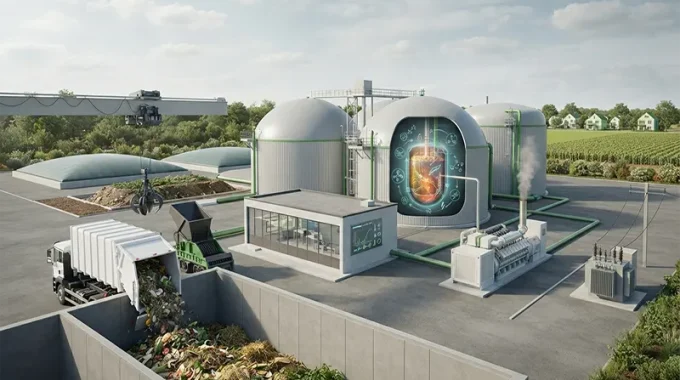
As global net-zero targets tighten and corporations race to implement circular economy frameworks, waste-to-energy technologies have taken center stage. Among these, anaerobic digestion systems for organic waste management technology stand out as the gold standard. By mimicking natural biological breakdown within highly controlled, engineered bioreactors, anaerobic digestion transforms environmental liabilities into valuable renewable energy and high-grade agricultural biofertilizers.
The Environmental Toll of Conventional Organic Waste Disposal
To appreciate the engineering brilliance of anaerobic digestion (AD), one must first examine the systemic failures …