Molecular Transformation: Advanced Chemical Recycling Processes in Hazardous Waste Management Technology

Modern industrial operations generate complex streams of toxic, persistent, and contaminated byproducts that traditional waste management techniques struggle to handle safely. For decades, industries have relied on conventional disposal methods—such as high-temperature incineration or secure hazardous landfilling—to manage these dangerous materials. However, as environmental regulations tighten and the global push toward a circular economy accelerates, these legacy practices are increasingly recognized as unsustainable liabilities.
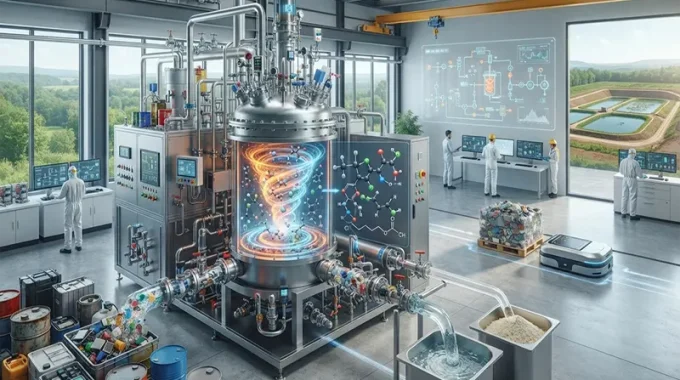
Enter the next frontier of industrial environmental engineering: advanced chemical recycling processes in hazardous waste management technology. By breaking complex molecular bonds down to their foundational building blocks, these innovative chemical technologies transform hazardous liabilities into safe, recoverable resources, redefining how industries handle toxic waste.
The Limitations of Legacy Hazardous Waste Treatment
To understand the urgent need for advanced chemical recycling, one must examine the fundamental flaws of legacy hazardous waste treatment. Traditional incineration, while effective at reducing waste volume, often generates secondary air pollutants, …