
Choosing a dining room table is a significant investment, both financially and in terms of your home’s aesthetic. For the eco-conscious buyer, the choice often narrows down to two sustainable powerhouses: bamboo and reclaimed wood dining room tables. Both offer unique character and environmental benefits, but real-world reviews highlight distinct differences in durability, maintenance, and style.
Reclaimed Wood: Character, Durability, and Longevity
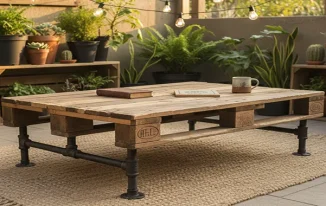
Reclaimed wood tables—often sourced from old barns, factories, or shipping pallets—are celebrated for their rustic charm and rich history.
The Positives (Reviews):
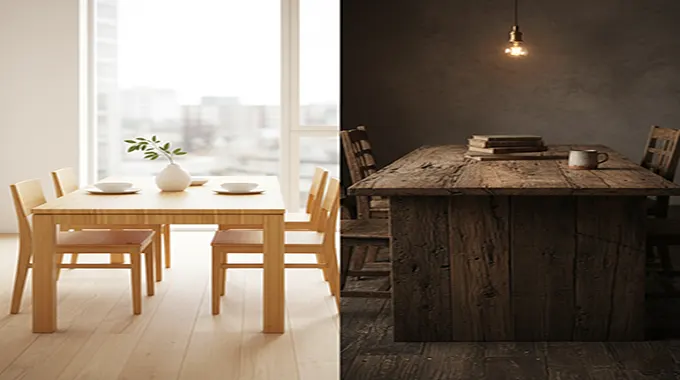
- Unmatched Character: Reviewers consistently praise the unique imperfections—nail holes, knots, and weathered textures—that give each table a one-of-a-kind, heirloom quality. Customers often mention the “warmth and depth” the wood adds to a dining space.
- High Durability: Because the wood (often dense pine, oak, or teak) has already weathered decades of use, it is often dense and highly stable. Many reviews note that these tables are “built to last generations” and are excellent for high-traffic family use.
- Repairability: A significant advantage noted in reviews is that reclaimed wood can be sanded and refinished multiple times, making it a truly long-term piece of furniture that can be restored after heavy wear.
The Drawbacks (Reviews):
- Cleaning Challenges: A common complaint for very rustic tables is that the natural grooves and gaps between the boards can collect crumbs and dirt, making cleaning more tedious. Some customers regret not opting for a smooth, epoxy-sealed finish to solve this issue.
- Higher Cost: Due to the intensive labor involved in sourcing, treating, and crafting, reclaimed tables generally command a higher price point than mass-produced alternatives.
Bamboo: Modern Style, Low Maintenance, and Affordability
Bamboo is technically a grass, not a wood, but its incredible rapid growth rate makes it one of the most sustainable and renewable materials available for furniture.
The Positives (Reviews):
- Modern Aesthetics: Bamboo offers a clean, contemporary, and often minimalist look. Reviewers appreciate its “sleek” finish and light-colored grain, which suits modern dining areas.
- Low Maintenance: Many reviews highlight the material’s ease of care. Quality bamboo tables, when properly sealed, are noted as being “water-ring resistant” and “super easy to keep clean,” making them ideal for homes with children.
- Affordability: Compared to solid hardwood or high-end reclaimed tables, many bamboo dining sets—especially those from high-volume retailers—are described as a “very good value for this cost.”
The Drawbacks (Reviews):
- Adhesive Concerns: The primary concern with bamboo is not the material itself but the adhesives used to laminate the strips into usable planks. Consumers must look for companies that explicitly use low- or formaldehyde-free glues to ensure the table is non-toxic.
- Dent Resistance: While strong, some reviews suggest bamboo surfaces may not be as dent-resistant for heavy daily service as historic, dense reclaimed hardwoods. Edge splits and seam visibility can also be a quality issue in lower-end models.
- Assembly: A few consumer reviews noted difficulties with assembly, citing misaligned holes that made putting the table together challenging.
The Verdict
The choice between bamboo and reclaimed wood ultimately comes down to style and use case:
- For a rustic, character-filled, and ultra-durable heirloom piece where a higher budget is acceptable, reclaimed wood is the undisputed champion.
- For a modern, low-maintenance, and budget-friendly solution with excellent sustainability credentials, a high-quality, certified bamboo table is the smarter buy.