
Rising utility costs and the growing urgency of combating climate change have transformed how we think about power consumption. Fortunately, we no longer have to choose between living comfortably and protecting the planet. The intersection of Internet of Things (IoT) connectivity, advanced artificial intelligence, and renewable hardware has ushered in a new era of eco-conscious living.
Gone are the days of passive conservation—turning off lights manually or guessing when to adjust your air conditioner. Today’s intelligent ecosystems proactively optimize energy usage behind the scenes. Integrating the best smart green technology products into your household can dramatically slash your energy consumption, eliminate waste, and lower your carbon footprint without requiring you to sacrifice a single ounce of everyday convenience.
The Rise of Eco-Smart Homes: Why Integration Matters
While individual green gadgets are helpful, true energy transformation happens when these products work together. Standalone eco-friendly items reduce waste in isolated bursts, but interconnected smart ecosystems leverage real-time data analytics, automated scheduling, and machine learning to manage power dynamically.
The shift is moving away from reactive tracking—checking your monthly bill with dread—toward proactive energy orchestration. When your appliances, climate controls, and power monitors communicate seamlessly, your home effectively becomes a living, breathing organism that optimizes every watt it consumes.
Top Smart Green Technology Categories & Products
To maximize efficiency across your entire household, several standout product categories deliver the highest return on investment:
1. Smart Thermostats
Heating and cooling account for the vast majority of a home’s energy consumption. Next-generation smart thermostats (such as advanced learning models from Google Nest or Honeywell) use localized weather tracking, automated geofencing, and internal occupancy sensors to learn your schedule. They automatically setback temperatures when you are away, optimize heat pump performance, and pre-cool or pre-heat your home before peak utility rates kick in, saving hundreds of dollars annually.
2. Smart Lighting and Automated Motorized Blinds
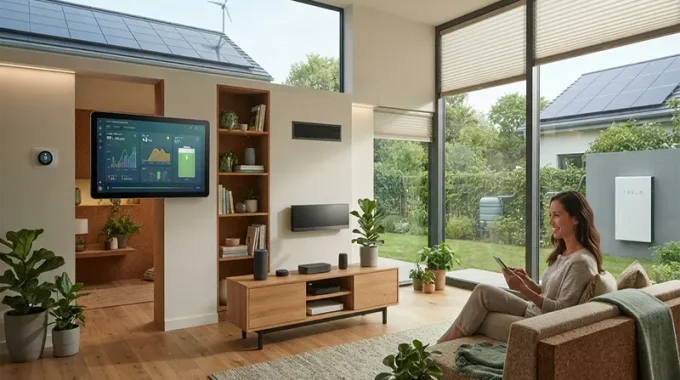
Lighting waste is easily preventable, but smart automation takes it a step further. Integrating intelligent LED bulbs with motion sensors and daylight harvesting schedules ensures lights are never left burning in empty rooms. Paired with automated roller blinds or curtain robots, your home can dynamically manage solar heat gain. In the summer, blinds can automatically close during peak afternoon sun to reduce air conditioning loads; in the winter, they open to let natural warmth flood your rooms.
3. Smart Energy Monitors and Circuit-Level Trackers
You cannot manage what you do not measure. Whole-home energy monitors (like Emporia or Sense) clip directly into your electrical panel to provide real-time, circuit-level visibility into your power usage via a smartphone app. They use machine learning to identify energy vampires—appliances drawing standby power even when turned off—and alert you immediately if an appliance begins malfunctioning or drawing unusual amounts of electricity.
4. Smart Plugs and Advanced Power Strips
For individual appliances, electronics, and entertainment setups, smart plugs offer an easy retrofit solution. These devices cut power entirely to peripheral devices (like gaming consoles, monitors, and coffee makers) when they enter standby mode, completely eliminating phantom energy loads without requiring you to unplug things manually.
Maximizing ROI: How These Products Work Together
The true magic of smart green tech lies in synergy. Imagine a mid-summer afternoon:
- Your smart energy monitor notes that solar production is peaking.
- Simultaneously, your smart thermostat communicates with your automated window shades to drop the living room blinds, preventing solar heat gain.
- Because the room is naturally shaded, your HVAC system doesn’t have to work overtime, flattening peak electrical loads and reducing grid strain.
By coordinating these behaviors, homeowners frequently see significant reductions in total energy demand, shortening the financial payback period for their smart home investments significantly.
What to Look for When Choosing Smart Green Tech (Buying Guide)
When building out your energy-efficient ecosystem, keep these core principles in mind:
- Ecosystem Interoperability: Look for products that support universal smart home connectivity standards (such as Matter, Apple Home, Google Home, or Amazon Alexa) to ensure your devices can talk to one another seamlessly.
- Data Privacy and Security: Ensure that any home energy management system or cloud-connected monitor features robust encryption and data protection protocols.
- Ease of Installation: Prioritize modular, user-friendly options—such as plug-and-play smart plugs or retrofit blind motors—that minimize the need for complex rewiring or expensive professional installation.
Smart green technology empowers homeowners to transition from passive consumers to active stewards of their energy usage. By harnessing intelligent automation, advanced climate control, and real-time monitoring, you can create a home that is profoundly efficient, environmentally responsible, and effortlessly comfortable. Investing in smart energy solutions isn’t just about shrinking your monthly utility bill—it is a vital step toward building a smarter, greener future from the inside out.