A DIY Guide to Installing a Smart Home Energy Monitoring System

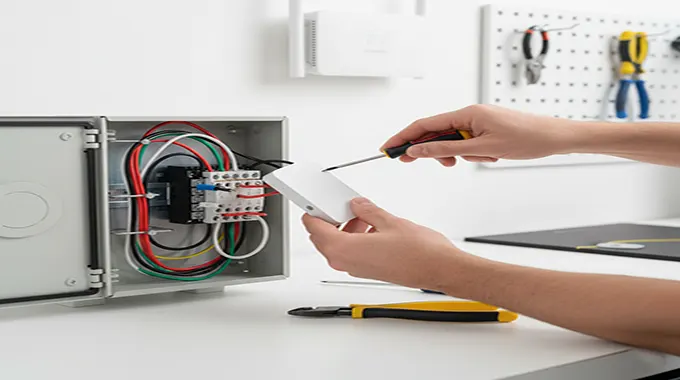
Understanding your home’s electricity consumption is the first critical step toward lowering your utility bills and reducing your carbon footprint. A smart home energy monitoring system provides this real-time visibility, allowing you to pinpoint energy vampires and shift usage patterns.While installation involves working inside your main electrical panel—a task that requires utmost caution—many popular systems are designed for the savvy DIY homeowner.

⚠️ Safety First: A Crucial Warning

Before beginning any installation, you must turn off the main breaker at your electrical panel. This de-energizes the majority of the circuits in your home. Crucially, the main service wires (the thick black cables entering the panel) remain live even when the main breaker is off. Because of the inherent risk of severe electrical shock, if you are not comfortable or experienced working near live service mains, you should hire a licensed electrician to complete the installation.
Step 1: Choosing Your Monitoring

The Cost of Commercial Rooftop Solar Panel Installation for Small Businesses

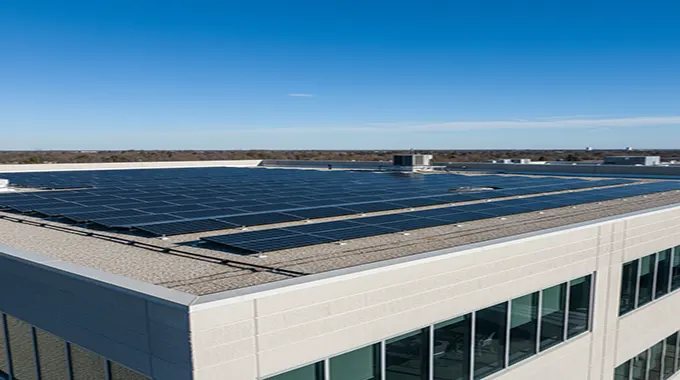
Investing in a commercial rooftop solar system is one of the most impactful decisions a small business can make, offering significant long-term savings and environmental benefits. However, the initial financial outlay is often the first and biggest hurdle. Understanding the cost of commercial rooftop solar panel installation for small businesses requires looking beyond a single price tag to the factors that determine the final investment.

The Average Cost Per Watt

Commercial solar installations are typically priced on a dollars-per-watt ($/W) basis, which accounts for the system’s size (its power generation capacity in kilowatts, kW).

For small to medium-sized commercial systems (ranging from about 25 kW to 100 kW), the average national price before incentives typically falls between $1.80 and $3.50 per watt.

This translates to the following estimated upfront costs for common small business system sizes:

System Size (kW)Estimated Cost Range (Before Incentives)
25 kW (Small Office/Retail)$45,000

Navigating the Green Building Certification Requirements and Process for LEED

In an era where sustainability and environmental consciousness are at the forefront of design and construction, achieving green building certification has become a significant goal for many developers and building owners. Leadership in Energy and Environmental Design (LEED), developed by the U.S. Green Building Council (USGBC), is one of the most recognized and widely used green building certification programs worldwide. Understanding the certification requirements and process for LEED is essential for those looking to demonstrate their commitment to sustainable building practices.

LEED Certification Levels and Categories:

LEED offers various certification levels based on the number of points achieved through sustainable design and construction strategies. The levels include Certified, Silver, Gold, and Platinum, with Platinum being the highest level of achievement. Projects are evaluated across different categories, including Sustainable Sites, Water Efficiency, Energy and Atmosphere, Materials and Resources, Indoor Environmental Quality, and Innovation in Design.

LEED Certification Process:

  1. Registration: The first

Affordable and Sustainable: Cost-Effective Green Building Solutions for Residential Projects

As the demand for environmentally friendly construction practices continues to rise, the integration of cost-effective green building solutions in residential projects has become a top priority for homeowners, developers, and policymakers alike. By incorporating sustainable design elements and materials into residential construction, it is possible to create homes that are not only eco-friendly but also affordable and energy-efficient.

One of the most effective strategies for achieving cost-effective green building in residential projects is through passive design principles. Passive design maximizes natural light and ventilation, reduces the need for artificial heating and cooling, and minimizes energy consumption. Simple features such as strategic window placement, effective insulation, and shading devices can significantly enhance the energy efficiency of a home without requiring expensive technologies or materials.

In addition to passive design, the use of sustainable building materials can also contribute to cost-effective green building solutions for residential projects. Materials such as recycled wood, …

Incorporating Certified Green Building Practices for Commercial Buildings

In today’s world, the importance of environmental sustainability cannot be undersold. As the effects of climate change become increasingly apparent, it is crucial for businesses to adopt sustainable practices in all aspects of operation, including the construction and maintenance of commercial buildings. One of the most effective ways to ensure that a building is sustainable is by following certified green building practices.

Certified green building practices for commercial buildings involve design, construction, and operation techniques that have been verified to have a minimal impact on the environment while promoting the health and well-being of occupants. These practices go beyond simply using energy-efficient materials; they encompass a holistic approach to sustainability that considers factors such as water conservation, indoor air quality, and waste reduction.

One of the leading certification programs for green buildings is the Leadership in Energy and Environmental Design (LEED) certification. Developed by the U.S. Green Building Council (USGBC), …