Save Water, Grow Green: A DIY Guide to Installing a Grey Water Recycling System for Garden Irrigation

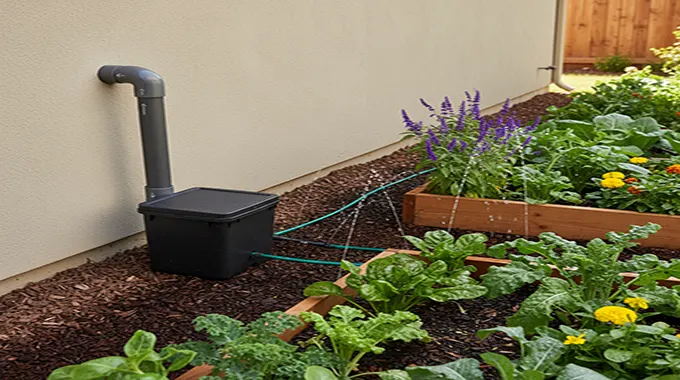
In an era of increasing water scarcity, recycling water is not just an eco-conscious choice—it’s a practical necessity. A DIY grey water recycling system for garden irrigation is one of the easiest and most effective home projects for water conservation. Grey water is the gently used wastewater from your showers, bathtubs, and washing machines. When properly diverted, this water can keep your garden flourishing while significantly cutting down on your freshwater usage.

This guide focuses on the simplest and most popular system for beginners: the Laundry-to-Landscape (L2L) System, which uses gravity and your washing machine’s pump to irrigate.

Phase 1: Planning and Legal Compliance

Before you cut a single pipe, proper planning is essential for safety, efficiency, and legality.

1. Know Your Source

The best grey water sources are those with the fewest contaminants:

  • Washing Machine (Laundry-to-Landscape): The easiest to tap into, as the hose is readily accessible.
  • Showers

The Pure Palette: The Best Low-VOC, Non-Toxic Interior Paint for Baby Nurseries

Creating a nursery is one of the most exciting parts of preparing for a new baby, but for health-conscious parents, the process comes with a vital consideration: indoor air quality. Traditional paints can release Volatile Organic Compounds (VOCs)—toxic chemicals that continue to “off-gas” long after the paint is dry, posing a risk to a newborn’s developing respiratory system.

The solution is to choose low-VOC non-toxic interior paint designed specifically for sensitive environments. This guide breaks down what to look for and highlights some of the best brands on the market, ensuring your baby’s first room is as safe as it is beautiful.

Understanding the Non-Toxic Difference

When shopping for nursery paint, don’t stop at “Low-VOC.” You should aim for “Zero-VOC” and check for additional safety certifications.

  • VOCs (Volatile Organic Compounds): These are the chemicals responsible for the strong, distinct smell of drying paint. Zero-VOC paints contain less than 5

The Next Leap: Latest Breakthroughs in Solid-State Battery Technology for Electric Vehicles

The future of electric vehicles (EVs) hinges on battery technology, and the race to commercialize solid-state battery technology for electric vehicles is reaching a fever pitch. Replacing the flammable liquid electrolyte in current lithium-ion (Li-ion) batteries with a solid material promises to solve the most pressing challenges facing EV adoption: range anxiety, charging time, and safety. Recent breakthroughs are quickly moving this once-theoretical technology from the laboratory into pilot production lines.

Energy Density and Range Revolution

The single greatest breakthrough lies in energy density. Solid electrolytes are non-flammable and allow for the use of a pure lithium metal anode, which has a far higher energy capacity than the graphite used in Li-ion cells.

  • Record-Setting Prototypes: Companies are demonstrating tangible results. Prototypes like the one tested by Mercedes, equipped with a Factorial Energy battery, have achieved real-world ranges of nearly 750 miles (1,200 km) on a single charge. This demonstrates

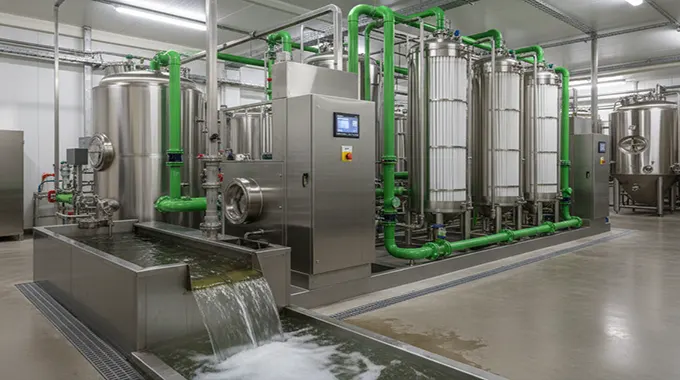
Reviews of Sustainable Wastewater Treatment Technology for Breweries

The craft brewing boom has brought intense scrutiny to the industry’s massive water footprint. For every gallon of beer, breweries generate between three to ten gallons of high-strength wastewater loaded with sugars, yeast, and cleaning chemicals. Discharging this untreated can lead to hefty municipal surcharges and environmental strain.

Sustainability in this sector is now driven by technologies that don’t just clean water but also recover resources and energy. The most reviewed and favored solutions for breweries typically involve anaerobic processes, advanced biological reactors, and resource recovery systems.

Anaerobic Digestion (AD): The Energy MVP

Anaerobic digestion is consistently highlighted as the most cost-effective and sustainable pretreatment method for high-strength brewery effluent. It involves using microorganisms to break down organic matter in the absence of oxygen.

  • Review Highlights: The primary benefit cited by operators is biogas production (mostly methane). This biogas is a renewable energy source that can be used to

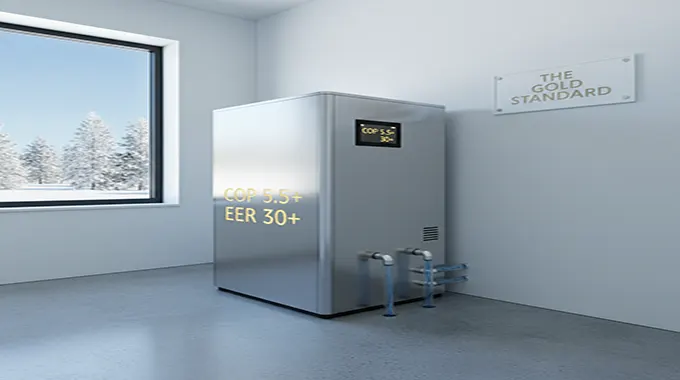
The Gold Standard: Best Geothermal Heat Pump Efficiency Ratings for Cold Climates

Geothermal heat pumps (GHPs), also known as ground-source heat pumps (GSHPs), are universally recognized as the most efficient heating and cooling technology available, especially in cold climates. Unlike air-source heat pumps, which struggle to extract heat from frigid outdoor air, GHPs rely on the stable, consistent temperature of the earth below the frost line—typically between $50^\circ\text{F}$and$60^\circ\text{F}$($10^\circ\text{C}$and$15^\circ\text{C}$) year-round. This stability allows them to maintain peak performance even when outdoor temperatures plummet to sub-zero levels.

Understanding a geothermal system’s true efficiency requires focusing on two key metrics: Coefficient of Performance (COP) for heating and Energy Efficiency Ratio (EER) for cooling.

COP: The Crucial Metric for Cold Climates

The Coefficient of Performance (COP) is the most critical rating for assessing a GHP’s performance in a heating-dominated, cold climate. COP is a ratio of the thermal energy (heat) the system produces to the electrical energy it consumes.

  • A standard electric resistance furnace has