Engineering a Greener Horizon: Low Carbon Recycled Materials in Green Building Products for Construction


The built environment is responsible for nearly 40 percent of global carbon emissions. For decades, the architectural and construction industries focused heavily on operational carbon—optimizing HVAC efficiencies and lighting to reduce energy consumption once a building is occupied. However, as international climate targets tighten and green building standards evolve, a stark reality has emerged: operational efficiency alone is no longer enough.

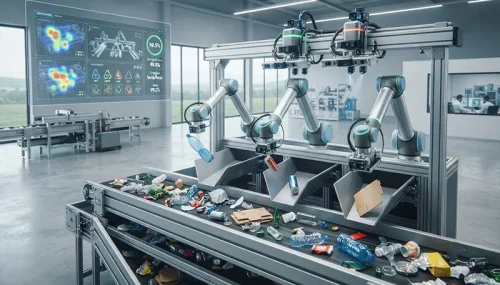
The industry must confront embodied carbon—the greenhouse gas emissions associated with material extraction, manufacturing, transportation, and construction. To achieve true net-zero targets, modern architecture is undergoing a foundational material revolution. Integrating low carbon recycled materials in green building products for construction is no longer an experimental niche; it is the definitive path forward for sustainable design, regulatory compliance, and structural resilience.

The Embodied Carbon Challenge in Modern Construction

To understand why material selection is the new frontier of sustainable architecture, we must look at the lifecycle of a building. …
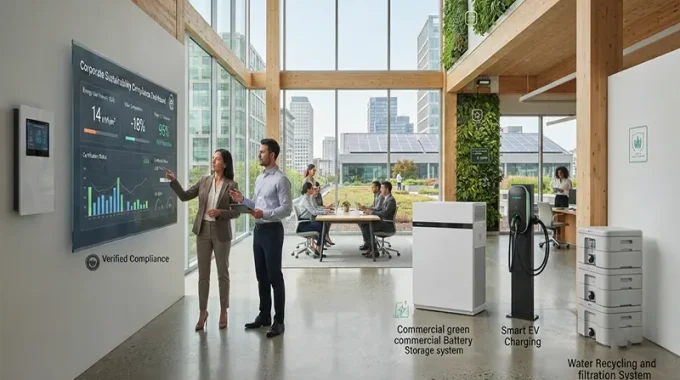
Driving Accountability: Commercial Green Technology Products for Corporate Sustainability Compliance

Modern enterprises face an unprecedented wave of accountability. Driven by tightening regulatory mandates—such as SEC climate disclosure rules, the European Union’s Corporate Sustainability Reporting Directive (CSRD), and global net-zero commitments—boardrooms are no longer treating environmental, social, and governance (ESG) goals as mere corporate philanthropy. Sustainability has become a core operational requirement.

However, meeting these strict reporting frameworks through manual data collection, spreadsheets, and legacy accounting systems is no longer viable. To achieve audit-ready compliance and verifiable emissions reductions, organizations must modernize their infrastructure. Deploying advanced commercial green technology products for corporate sustainability compliance transforms environmental governance from a burdensome administrative hurdle into a strategic competitive advantage.

The Regulatory Landscape: Why Compliance is Driving Tech Adoption

The era of greenwashing and vague corporate pledges has officially ended. Regulators, investors, and consumers now demand granular, verifiable data across entire corporate value chains.

Calculating Scope 1 (direct emissions), Scope 2 (indirect energy emissions), …

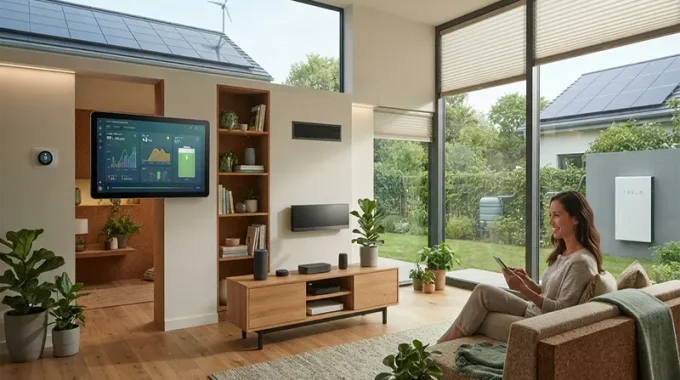
The Future of Sustainable Living: Best Smart Green Technology Products for Home Energy Efficiency

Rising utility costs and the growing urgency of combating climate change have transformed how we think about power consumption. Fortunately, we no longer have to choose between living comfortably and protecting the planet. The intersection of Internet of Things (IoT) connectivity, advanced artificial intelligence, and renewable hardware has ushered in a new era of eco-conscious living.

Gone are the days of passive conservation—turning off lights manually or guessing when to adjust your air conditioner. Today’s intelligent ecosystems proactively optimize energy usage behind the scenes. Integrating the best smart green technology products into your household can dramatically slash your energy consumption, eliminate waste, and lower your carbon footprint without requiring you to sacrifice a single ounce of everyday convenience.

The Rise of Eco-Smart Homes: Why Integration Matters

While individual green gadgets are helpful, true energy transformation happens when these products work together. Standalone eco-friendly items reduce waste in isolated bursts, but …

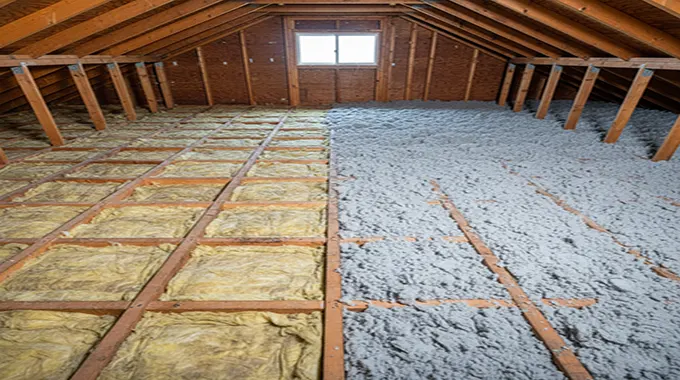
The Smart Upgrade: Cost and Benefits of Adding Attic Insulation to a Sixty-Year-Old House

If you own a sixty-year-old house, chances are its attic insulation is either insufficient, settled, or non-existent by modern standards. Since the attic is the single greatest point of heat loss and gain in a home, upgrading the insulation is one of the most effective and financially rewarding home improvements you can undertake.

The typical attic in an older home may have a minimal R-value (resistance to heat flow). Current building codes, depending on your climate zone, recommend levels ranging from R-38 to R-60. Bringing your vintage home up to this standard offers immediate benefits that outweigh the initial cost and complexity.

The Cost: An Investment with a High ROI

The total cost of adding attic insulation depends on the size of your attic, the material chosen, and the existing level of insulation. The most common and cost-effective method for older, existing attics is blown-in insulation (cellulose or …

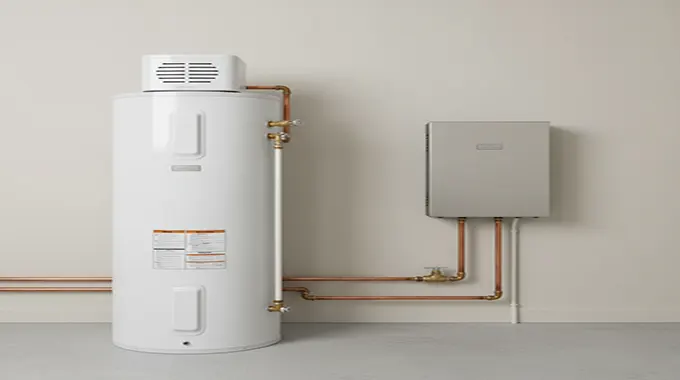
The Green Hot Water Face-Off: Reviews of ENERGY STAR Certified Heat Pump Water Heaters vs. Tankless

When upgrading to a high-efficiency water heater, homeowners often face a choice between two powerhouse technologies: the ENERGY STAR certified heat pump water heater (HPWH) and the tankless (or on-demand) water heater. Both offer significant energy savings compared to traditional electric tanks, but they achieve their efficiency in fundamentally different ways, leading to distinct performance reviews and suitability for different homes.

Efficiency: The HPWH Advantage

The most consistent finding in reviews is the superior energy efficiency of the heat pump model.

  • Heat Pump Water Heaters (HPWH): These units function like a reverse refrigerator, pulling heat from the surrounding air (even in a basement or garage) and transferring it to the water in the storage tank. Because they move heat rather than generate it, they are incredibly efficient—often reviewed as being two to three times more efficient than conventional electric resistance heaters.
    • Uniform Energy Factor (UEF) Score: HPWHs typically boast